WildSense project
Anguilla – Shining a Light on Anguilla’s Moths
AI-assisted biodiversity monitoring on a Caribbean island
Overview
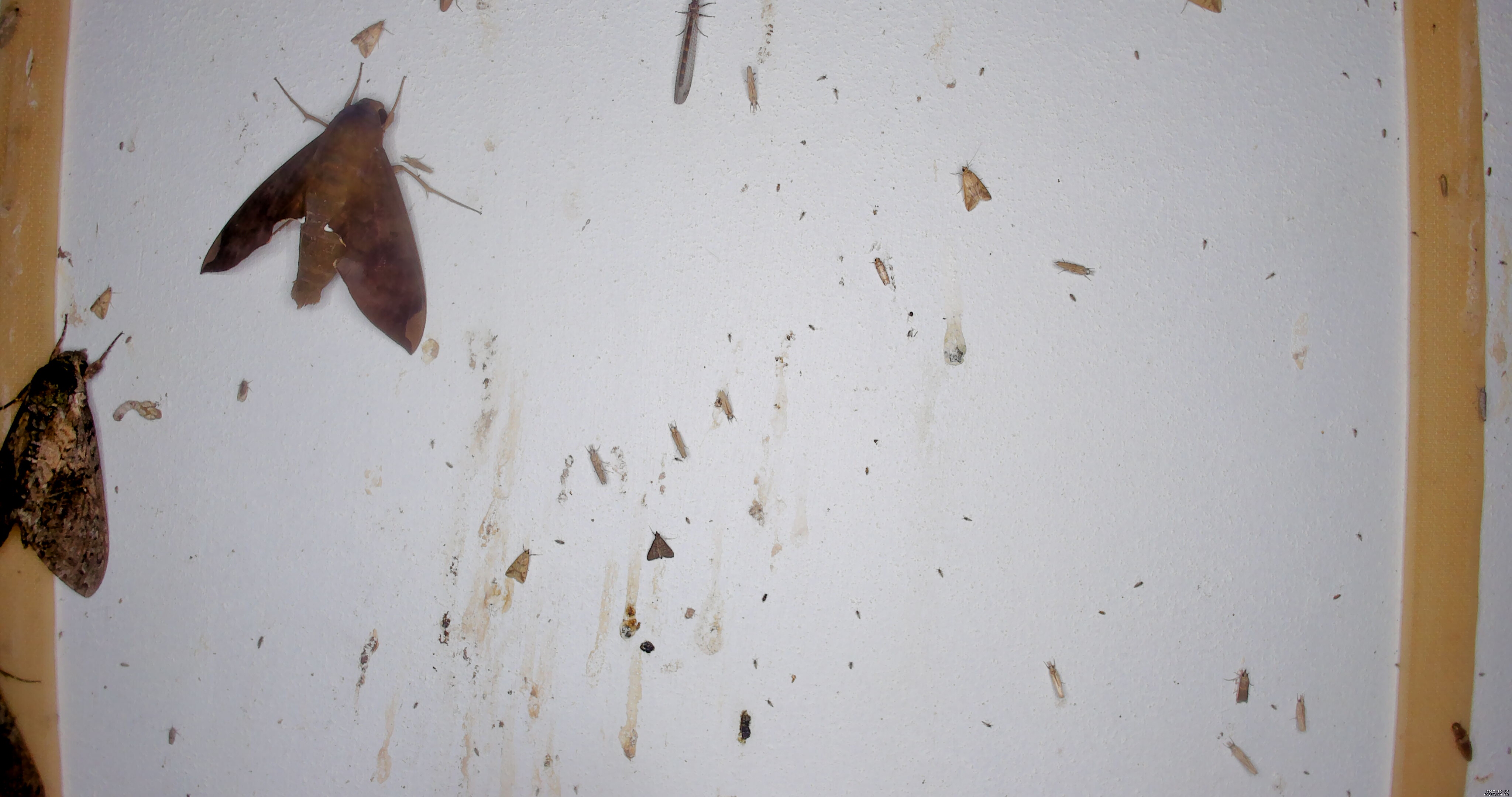
Insects are essential to ecosystem functioning, yet biodiversity data from small island states remains critically sparse. In partnership with the Anguilla National Trust, we are deploying automated insect monitoring systems across Anguilla to establish a robust baseline of nocturnal biodiversity.
Using Automated Monitoring of Insects (AMI) systems combined with AI-powered image classification and expert validation, we are generating the first standardised, site-comparable dataset of moth diversity for the island. This allows us to move beyond simple species lists and explore patterns of community turnover, habitat associations, and restoration outcomes.
This project integrates:
- Imaging systems (AMI) to quantify nocturnal Lepidoptera diversity and activity.
- Cloud-based AI pipelines to transform raw imagery into validated ecological datasets.
- Expert taxonomic validation to ensure species-level reliability.
- Habitat and plant community data to understand plant–insect relationships across sites.
- Local partnership and capacity building to support long-term biodiversity monitoring.
By combining automation, expert taxonomy, and ecological analysis, this project is helping to illuminate Anguilla’s insect biodiversity and inform conservation priorities.
Early Findings
Across two monitored sites:
- 88 Lepidoptera species detected using automated imaging and expert validation.
- Over 40 species shared between sites, with strong spatial turnover between habitats.
- One site supported higher plant diversity and correspondingly higher moth richness.
- Approximately 70% of the existing working species list was detected, demonstrating strong coverage of known island fauna.
- Species-level detections were overwhelmingly Lepidoptera, reflecting both the suitability of light-trap monitoring and the dominance of moths in nocturnal insect communities.
These results demonstrate that automated monitoring systems can generate ecologically meaningful biodiversity insights in small island environments.
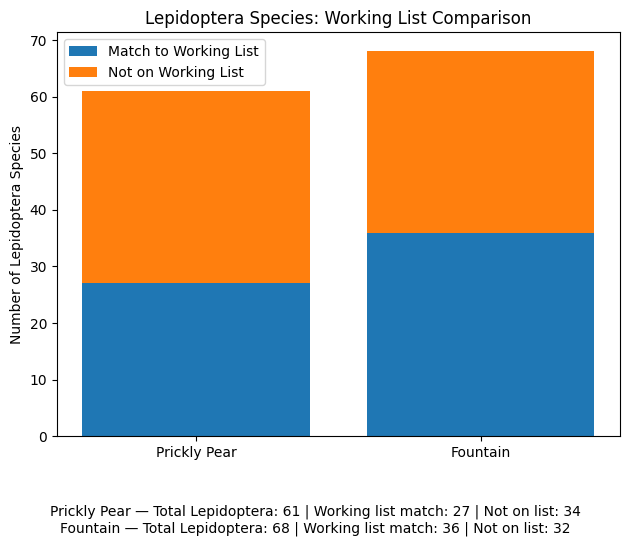
Figure 1. Comparison of detected species against the existing working island list.
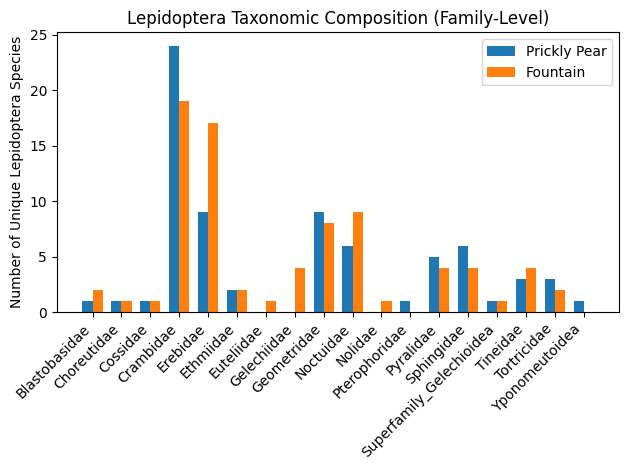
Figure 2. Family-level taxonomic composition of detected Lepidoptera.
Project Outputs
- Site-level Lepidoptera species inventories.
- Harmonised, validated biodiversity datasets.
- Shared vs unique species analysis between monitoring sites.
- Plant–moth community comparisons.
- AI-assisted identification workflow evaluation.
- Evidence to support long-term biodiversity monitoring in Anguilla.
Project Report
A detailed technical summary of methods, validation procedures, and analytical outputs is available below:
Updates